I live in a zone that has no business growing banana palms. I grow them anyway. The trick to building a tropical garden outside the tropics is understanding that you're building a system, not just picking pretty plants from a catalog. Climate, soil, light, wind, drainage. Every variable connects to every other one.
A tropical garden done right is a layered ecosystem that mimics the density and structure of a real jungle canopy. Done wrong, it's a pile of dead houseplants on a patio. Here are seven things I've learned that separate the two outcomes.

Consider Your Gardening Zone
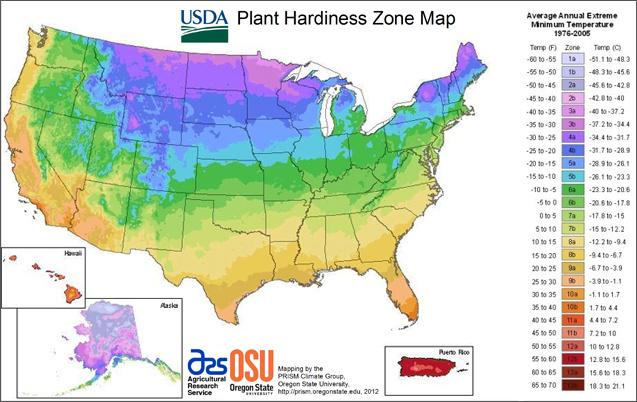
Your USDA hardiness zone is the first filter for every decision you'll make. Look it up if you haven't. In temperate zones (roughly 6-8), keep your most cold-sensitive plants in containers you can wheel indoors when frost hits. For anything rooted in the ground, burlap wrapping in fall buys you a few extra degrees of protection.
Light matters just as much as temperature. South-facing gardens in the northern hemisphere get the most direct sun, which most tropicals love. But full afternoon sun in July can scorch leaves fast. Track your light exposure across the day before you commit to placement.
Dry climates need humidity intervention. Misting helps. Grouping plants together helps more, because they create their own microclimate through transpiration.
One non-negotiable: include evergreen elements. Your garden should look alive in January, not like a graveyard of bare sticks.
Select the Right Plants
Not every tropical plant will survive your winters. That's obvious. What's less obvious: many non-tropical plants look completely tropical. Giant leaves, bold silhouettes, dramatic blooms. Visit a botanical garden in your area and pay attention to what's actually thriving outdoors year-round. That tells you more than any website.
These cold-hardy plants will give you the jungle aesthetic without the heartbreak of losing everything to a late frost:
- Windmill Fan Palm (Trachycarpus fortune) - this snow-resistant palm will lend your garden some instant tropical flair.
- New Zealand Cabbage Palm – Cordyline australis
- Indian Bean Tree (Catalpa bignonoides)
- Large Leaf Magnolia (Magnolia macrophylla) - grow well in shade
- Japanese Fiber Banana (Musa basjoo) - can resprout after encountering frost
- Chinese Fountain Bamboo - Fargesia nitida
- Tree Fern – Dicksonia antarctica
- Star jasmine (Trachelospermum jasminoides) - a beautiful climber with an equally arresting scent and flowers that attract birds and butterflies
- Rhubarb (Rheum rhabarbarum) - perfect for an edible splash of color
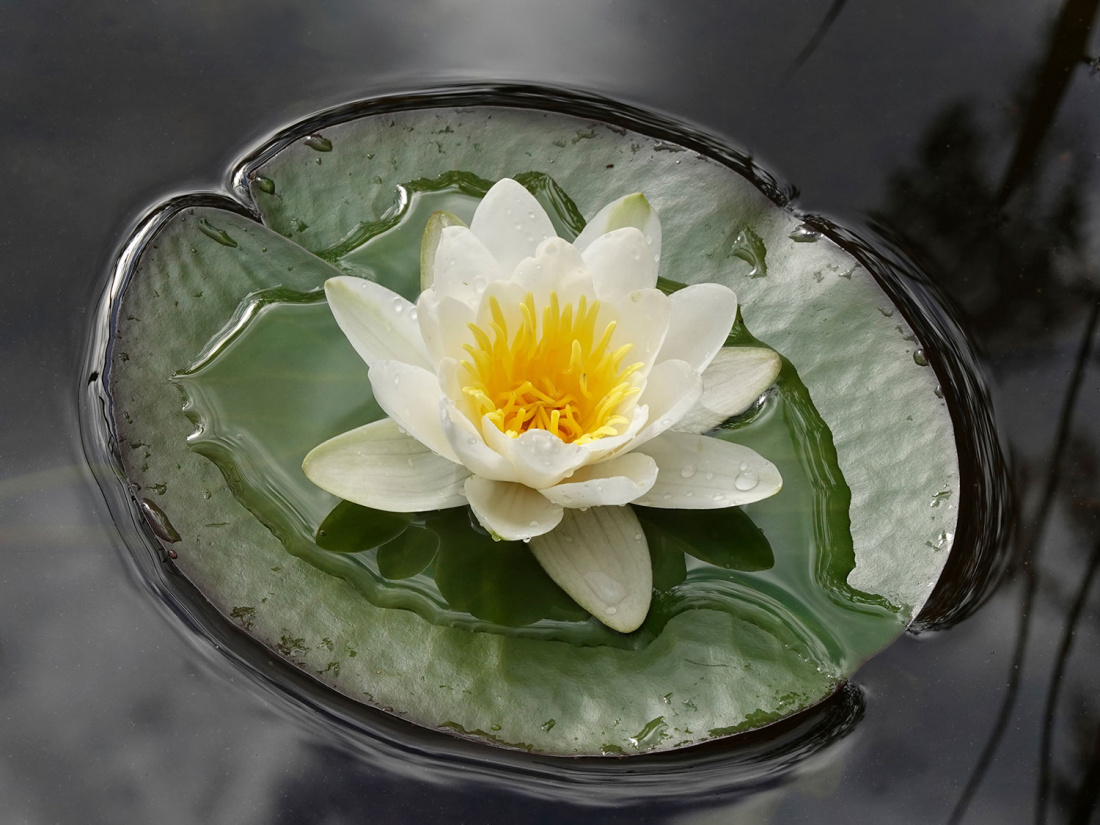
- White Water Lily (Nymphaea alba)
Fair warning: some of these get big. A Windmill Palm in a south-facing garden can shoot up fast and throw shade across half your yard. Measure your space and plan for the mature size, not the cute nursery size.
Take Indoor Plants for an Excursion
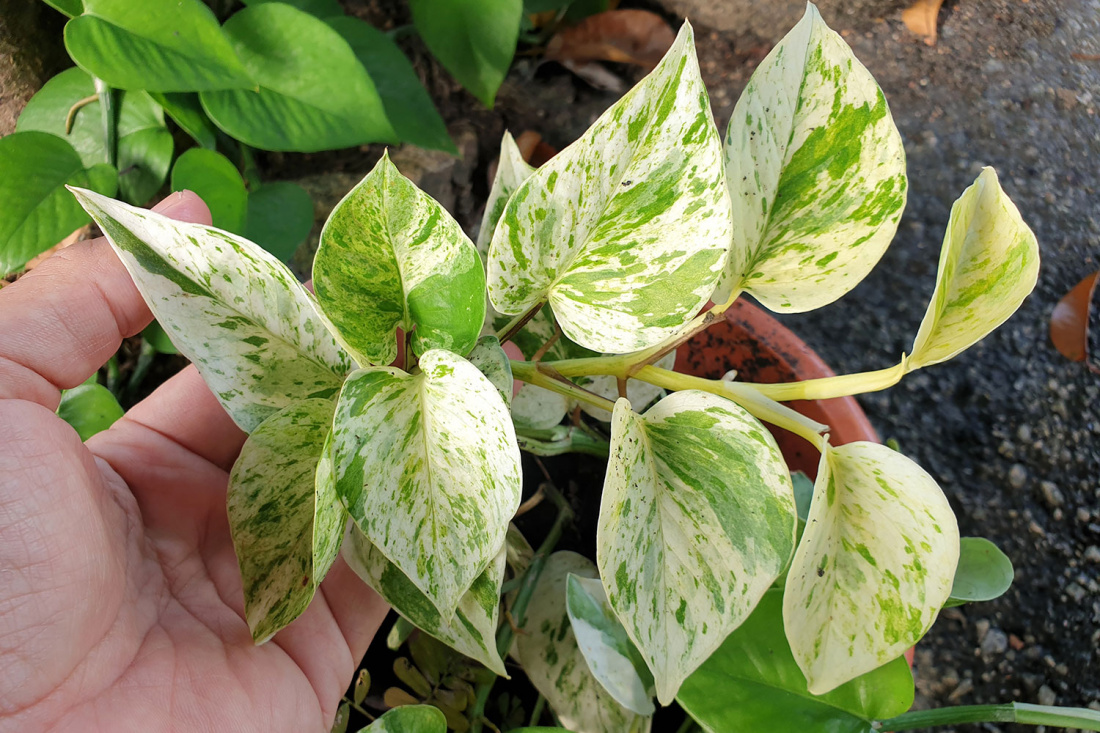
You probably already own tropical plants. Pothos, calla lilies, passion flowers, orchids, monsteras. They're sitting in your living room right now. Once nighttime temperatures stay above 55°F consistently, move them outside. A shaded patio or balcony corner with indirect light is perfect. These plants were bred for the jungle floor, not your windowsill. Give them real humidity and airflow and they'll grow faster than you've ever seen them grow indoors.
Be Aware of Soil Health
Tropical plants want rich, well-draining soil. That's the whole equation. Rich for nutrients, well-draining so roots don't sit in water and rot.
Heavy clay? Sandy dirt? Neither is a dealbreaker. Six inches of quality compost worked into the top layer fixes most problems. Add a generous mulch layer on top for moisture retention and drainage balance. The real killer for tropicals is waterlogged soil. Wet roots invite fungal infections and root pathogens that will wipe out your garden faster than any frost.
Plan a Layout For Your Garden
Think about what the garden is actually for before you plant anything. A space where kids play has different requirements than a pure display garden. Function drives layout.
Density is what separates a tropical garden from a regular one. Jungles don't have gaps. Fill aggressively with low-cost ground covers and fast growers while your specimen plants mature.
Layer like a real forest. Tall canopy plants (palms, banana trees) go in the back or center. They get full sun. Mid-story shrubs fill beneath them. Ground-level ferns and grasses carpet the floor. Each layer gets progressively more shade-tolerant. This is how actual rainforests work, and copying the structure is what makes a tropical garden feel real instead of staged.
Put bamboo or ornamental grass hedges along your borders. They block wind (which dries out and damages broad tropical leaves) and screen ugly views. But don't seal the garden airtight. You need airflow to prevent fungal problems.
One practical note: put your water source close. Tropical plants are thirsty. If you have to drag a hose across the yard every day, you'll eventually stop doing it.
Add Water Features, Hard Landscaping or Other Finishing Touches
Water makes a tropical garden feel alive. Even a small recirculating fountain changes the atmosphere completely. The sound of moving water tricks your brain into sensing humidity and lushness that the plants alone can't deliver. A pond works too, but use mosquito dunks (Bti granules) or you'll regret it by July.
For hardscaping, mix your materials. Stone pavers next to a wooden deck creates visual contrast that mimics the variety of a natural landscape. A few well-placed accessories pull the whole thing together:
- Decorative pots, planters and sculptures
- Hanging baskets
- Rocks, boulders and pebbles
- Hammocks or swings
- Fairy lights and landscape lighting
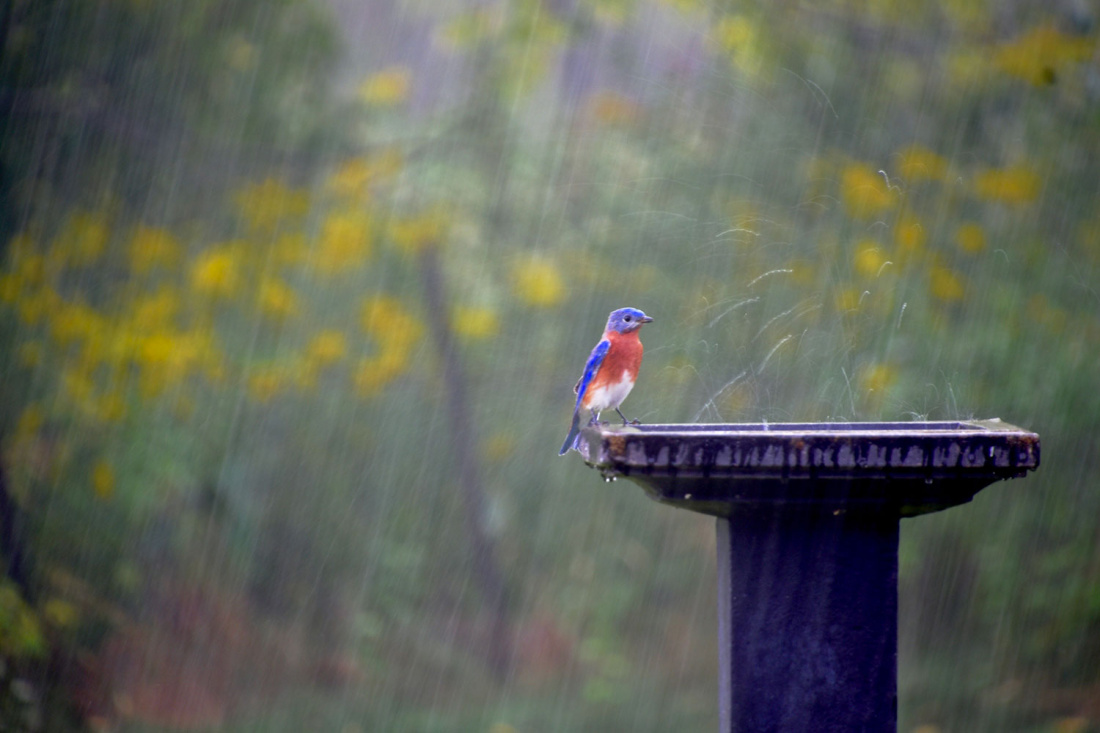
- Birdfeeders and baths
- Weather-proof bluetooth speakers to play rainforest sounds
Speak to Local Garden Enthusiasts
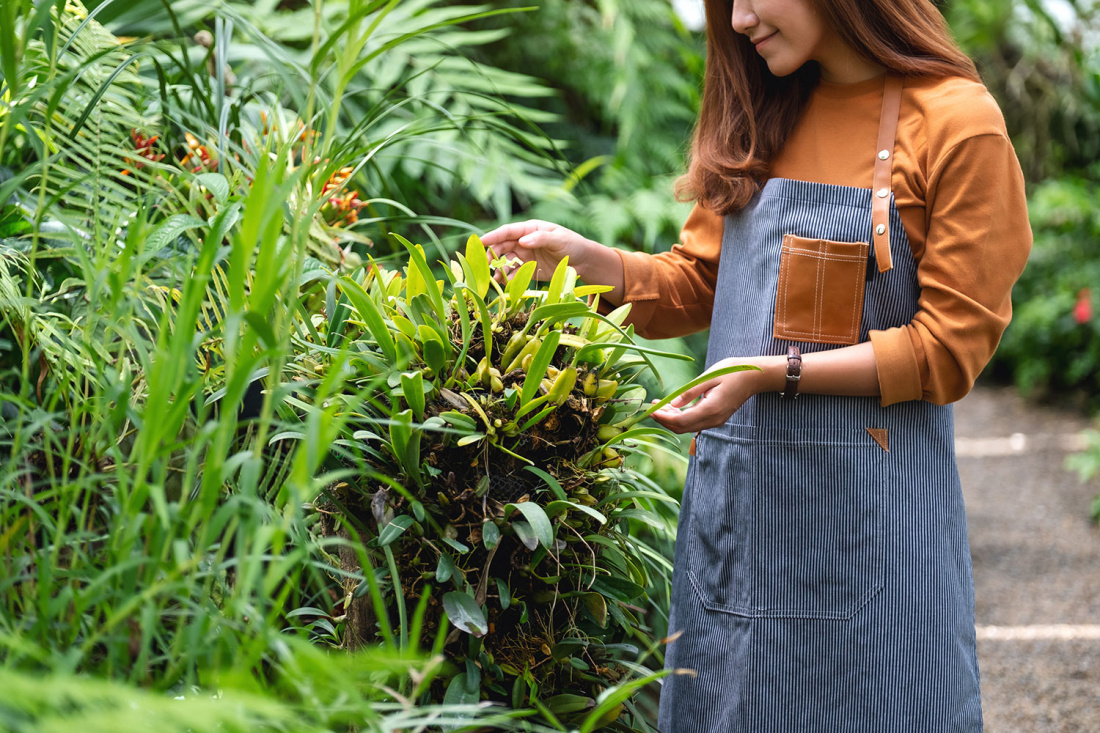
After you've done your research and sketched a layout, talk to people who've already done this in your area. Not generic gardening forums. Actual humans at your local nursery who know your microclimate, your soil type, your frost dates. Find someone in your neighborhood who grows tropicals and ask what's died on them. Their failures will teach you more than any success story.
Start Planning Your Tropical Garden
You don't need to live near the equator for this. You need to understand your specific conditions, pick plants that match those conditions, and build a layered system that supports itself. The first year will be an experiment. By year three, you'll have a garden that people don't believe exists in your zip code.
Frequently Asked Questions
Can I grow a tropical garden in a cold climate (zones 4-6)?
Yes, but your strategy shifts. Use containers for anything that can't survive frost and bring them indoors over winter. Focus on cold-hardy tropical lookalikes like Windmill Palms, Japanese Fiber Bananas, and Tree Ferns for permanent plantings. The key is building sheltered microclimates within your garden using walls, hedges, and south-facing positions.
How much does it cost to start a tropical garden?
You can start small for a few hundred dollars. Buy young plants (they're cheaper and establish faster than mature specimens), propagate aggressively, and fill gaps with fast-growing ground covers. The expensive route is buying full-size palms and mature plants. I'd rather spend that money on good soil amendments and a solid watering system. The plants will catch up.
How often should I water tropical plants outdoors?
Most tropicals want consistent moisture but not standing water. In summer heat, that can mean daily watering for container plants and every 2-3 days for in-ground plantings. Mulch heavily to retain moisture. Stick your finger two inches into the soil. If it's dry, water. If it's damp, leave it alone. Overwatering kills more tropical plants than underwatering.
What is the fastest way to make a garden look tropical?
Big leaves. That's the cheat code. One large Musa basjoo (Japanese Fiber Banana) or a Fatsia japonica will make any garden corner look tropical overnight. Add a tall ornamental grass for movement and a ground-level fern for layering. Three plants, placed correctly, can shift the entire feel of a space.
Do tropical gardens attract more pests?
Dense, humid gardens attract some insects. That's just biology. But a well-designed tropical garden also attracts predators like birds, ladybugs, and spiders that keep pest populations in check. Avoid broad-spectrum pesticides that kill everything. Use Bti for mosquitoes in water features. Neem oil handles most leaf pests. The ecosystem, if you let it work, mostly polices itself.