Bamboo is one of those plants that attracts two kinds of gardeners: the ones who want it, and the ones desperately trying to get rid of it. Both groups need the same information. Here's what I've learned growing running bamboo in zone 7b.
Watering is straightforward. Bamboo is a grass, and like most grasses, it drinks a lot during active growth. Water deeply once a week during the growing season. Soggy soil will rot the rhizomes, so good drainage matters. In winter, an occasional watering during dry spells prevents leaf drop.
Skip fertilizer entirely during the first year. The plant is building its rhizome network underground and doesn't need the push. After year one, a high-nitrogen lawn fertilizer works fine. I prefer top-dressing with composted manure or a slow-release organic. Osmocote also works well if you want something low-effort.

The Bamboo Growth Timeline
Expect almost nothing above ground for the first year, maybe two. This is normal. The plant is investing everything into its rhizome system underground, storing energy for future growth. Any shoots (culms) that appear early will be small and thin. Don't panic.
The old saying captures it perfectly: "The first year it sleeps, the second year it creeps, and the third year it leaps."
By year three, you'll see dramatically larger culms emerging each spring. Each new shoot will be taller and thicker than the previous year's growth. This is when running bamboo earns its reputation, so make sure you've installed containment before you reach this stage.
Check our guide on installing a bamboo rhizome barrier before planting.
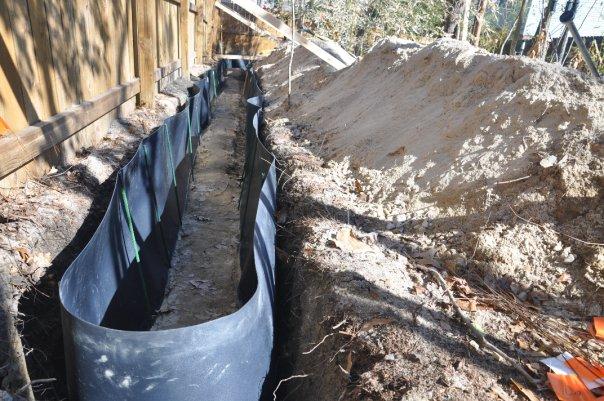
Installation of Bamboo Barrier Tutorial
Winter Protection
Most bamboo can handle colder temperatures than their official hardiness rating suggests, provided you protect the rhizome system. The roots sit shallow, so heavy mulching is your best defense. Where the upper soil layers freeze solid for extended periods, pile on 4-6 inches of mulch around the base.
Bamboo is evergreen, which means it needs water year-round. Drying winter winds cause more damage than cold temperatures alone. A windbreak on the north or west side makes a significant difference. Positioning bamboo on the south side of a building or wall gives it both warmth and wind protection.
For extreme cold snaps, anti-desiccant sprays like Freeze-Pruf help reduce moisture loss from leaves.
Snow Management
Snow load snaps bamboo culms fast. Smaller species flex under the weight, but tall timber bamboo with thick culms can't bend and will crack. Knock snow off by tapping the culms with a pole or broom handle after heavy snowfall.
If your bamboo survives winter with its rhizomes intact, it will push new culms in spring regardless of how much top growth was lost. The underground system is the plant's bank account. Protect that, and the rest takes care of itself.
Frequently Asked Questions
How fast does bamboo grow once established?
Running bamboo can grow 3-5 feet per day during peak season (late spring) once it has an established rhizome network, typically by year three. Clumping bamboo grows slower but still puts on impressive height each year.
Do I need a rhizome barrier for all bamboo types?
Only for running bamboo (Phyllostachys and similar genera). Clumping bamboo stays in a tight footprint and doesn't spread aggressively. If you're planting running bamboo without a barrier, you're signing up for a long-term containment project.
Can I grow bamboo in containers?
Yes, but it limits the plant's potential size. Use large containers (at least 20 gallons) and expect to divide the plant every 2-3 years as the rhizomes fill the pot. Container bamboo needs more frequent watering than in-ground plantings.
Will bamboo damage my foundation or sewer lines?
Running bamboo rhizomes follow the path of least resistance. They rarely crack through concrete or pipes, but they will exploit existing gaps or cracks. Keep a 3-4 foot clear zone around foundations, or install a proper barrier.