Most popular houseplants are tropical species. That is not a coincidence. Your living room already mimics a rainforest understory: stable temperatures, filtered light, no frost. Tropicals evolved for exactly those conditions.
The trick is picking the right ones. Some tropicals want greenhouse humidity you will never maintain in a heated apartment. Others will forgive almost anything. I have grown all seven of these in my own home, and each one earned its spot on this list by surviving real neglect, real winters, and real mistakes.
For more growing advice, check our Gardener's Blog.

Indoor Tropical Plants
Tropical does not mean difficult. It means the plant already expects the same environment you live in. No grow lights. No cold frames. No greenhouse. Just a room with a window.
The species below range from "water it once a week and ignore it" to "pay a little attention and get rewarded with something spectacular." I have sorted them roughly by visual impact, starting with the showstoppers.
Bird of Paradise
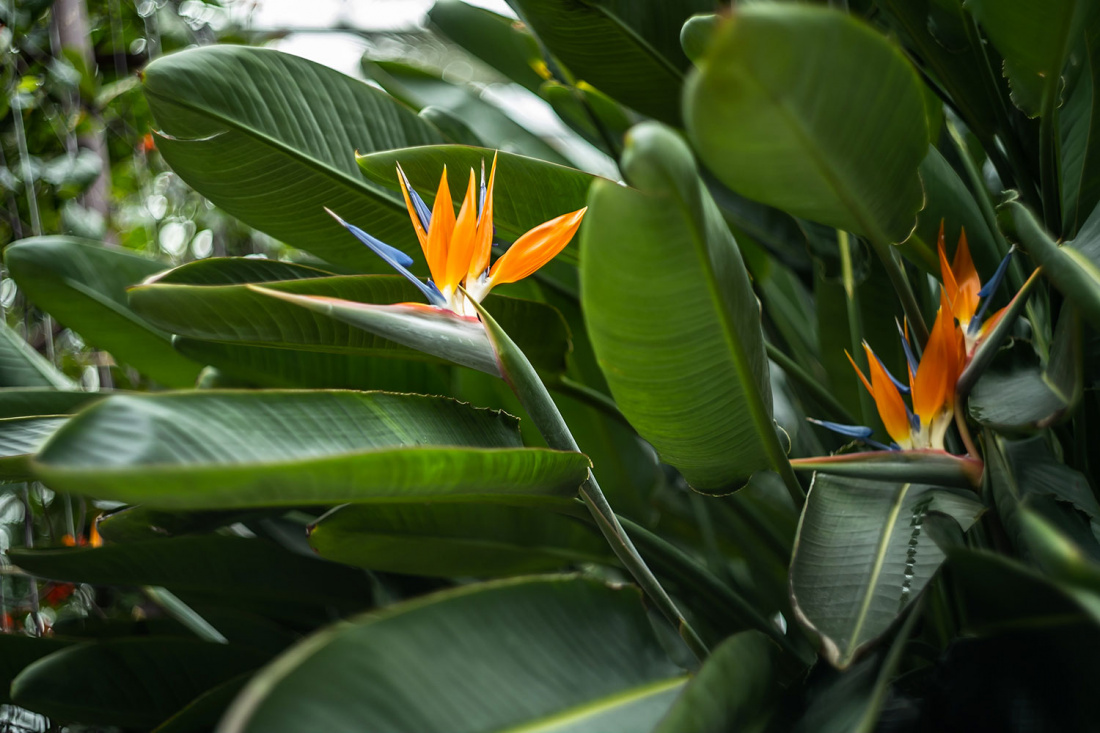
The Bird of Paradise is the architectural statement piece. Native to South Africa, it produces massive paddle-shaped leaves that split naturally as they mature. Mine hit about four and a half feet before it started pushing against the ceiling fan. That is the kind of growth rate you are dealing with.
Give it the brightest window you have. South-facing is ideal. It will survive in lower light, but you will get leggy stems and fewer leaves. Think of it like a solar panel: more light equals more energy equals bigger growth.
Watering is where most people go wrong. Keep the soil consistently damp but never waterlogged. I water mine when the top two inches feel dry to the touch. In winter, I back off to about once every ten days.
Money Tree
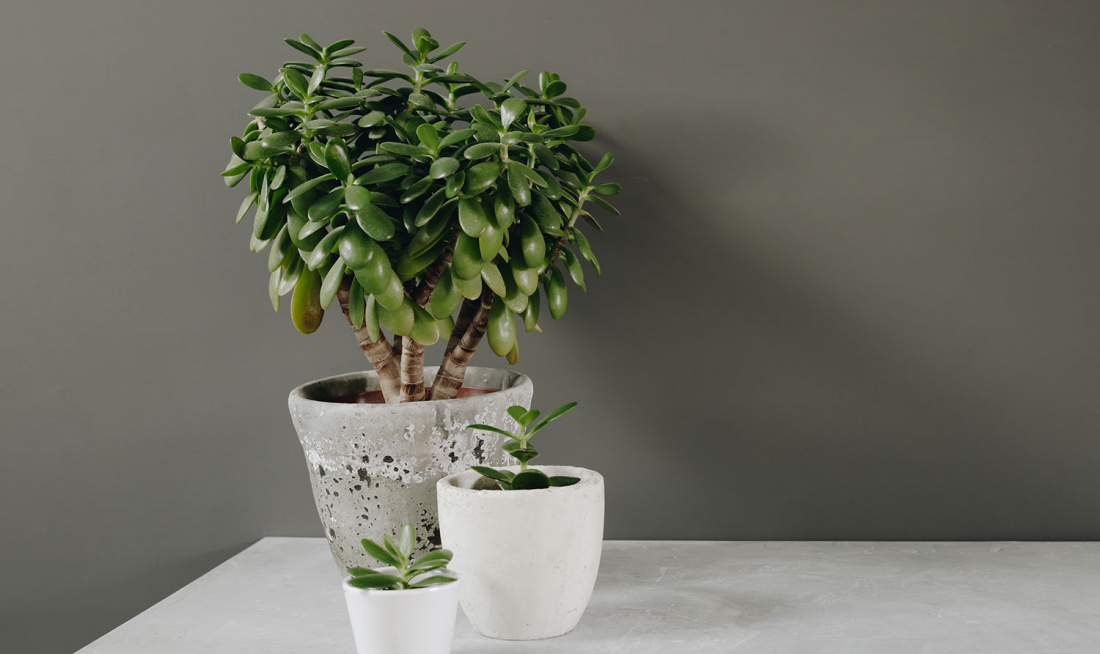
The Money Tree (Pachira aquatica) grows wild in Central and South American swamps, which tells you something important: it can handle wet feet better than most tropicals. The braided trunk you see in stores is not natural. Growers weave multiple seedlings together while they are young and flexible.
Light requirements are genuinely forgiving. I have kept one in a north-facing kitchen window for two years with no complaints. Rotate the pot a quarter turn each time you water so it does not lean toward the light source like a sunflower.
Water deeply, then leave it alone until the soil is dry a few inches down. In winter, this might mean watering every two to three weeks. The number one killer of Money Trees is overwatering in cold months when growth has stalled.
Monstera
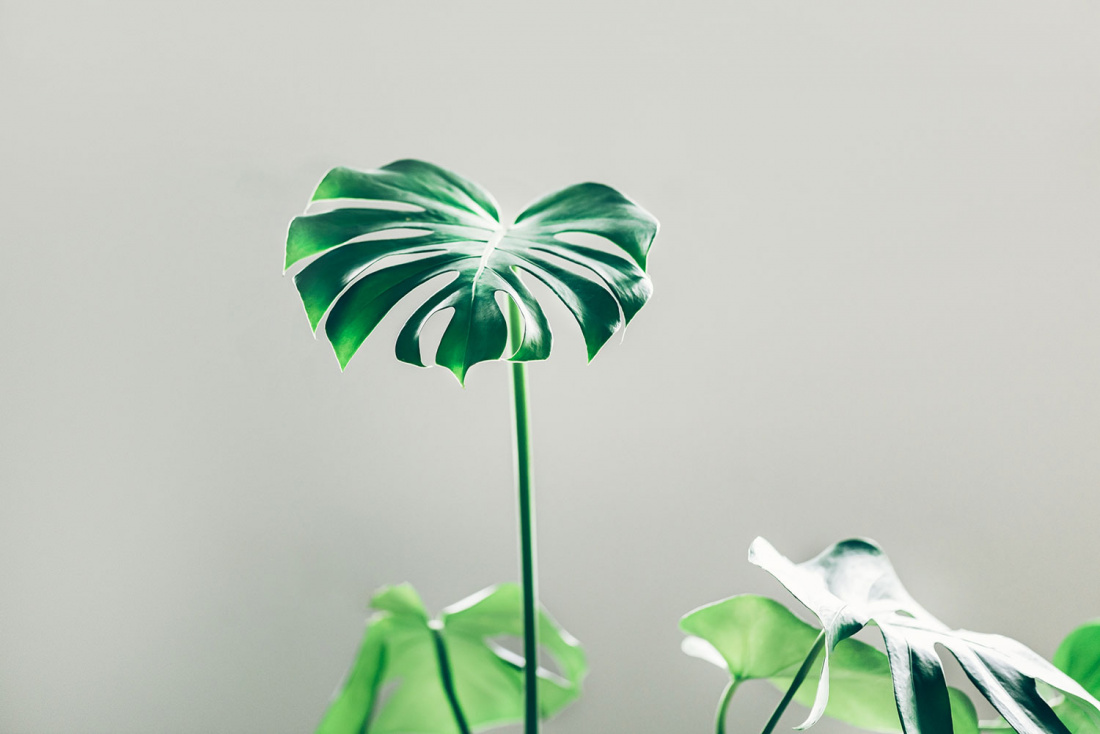
Monstera deliciosa is the Instagram plant, and for good reason. Those fenestrated leaves (the holes and splits) are not damage. They are an adaptation. In the wild, Monstera climbs trees in Mexican and Central American rainforests, and the holes let wind pass through without shredding the leaf. Evolution solving an engineering problem.
This is a vine disguised as a houseplant. Left alone, it will crawl out of its pot and across your floor. Give it a moss pole or trellis and it will climb instead, producing larger leaves with more dramatic fenestration as it goes.
Bright indirect light is the sweet spot. Direct sun scorches the leaves. Low light works but you will get smaller leaves with fewer holes. Water when the top couple inches of soil dry out. I have forgotten mine for two weeks during a vacation and it barely flinched. Just keep it above 55 degrees and out of cold drafts.
Dracaena Marginata
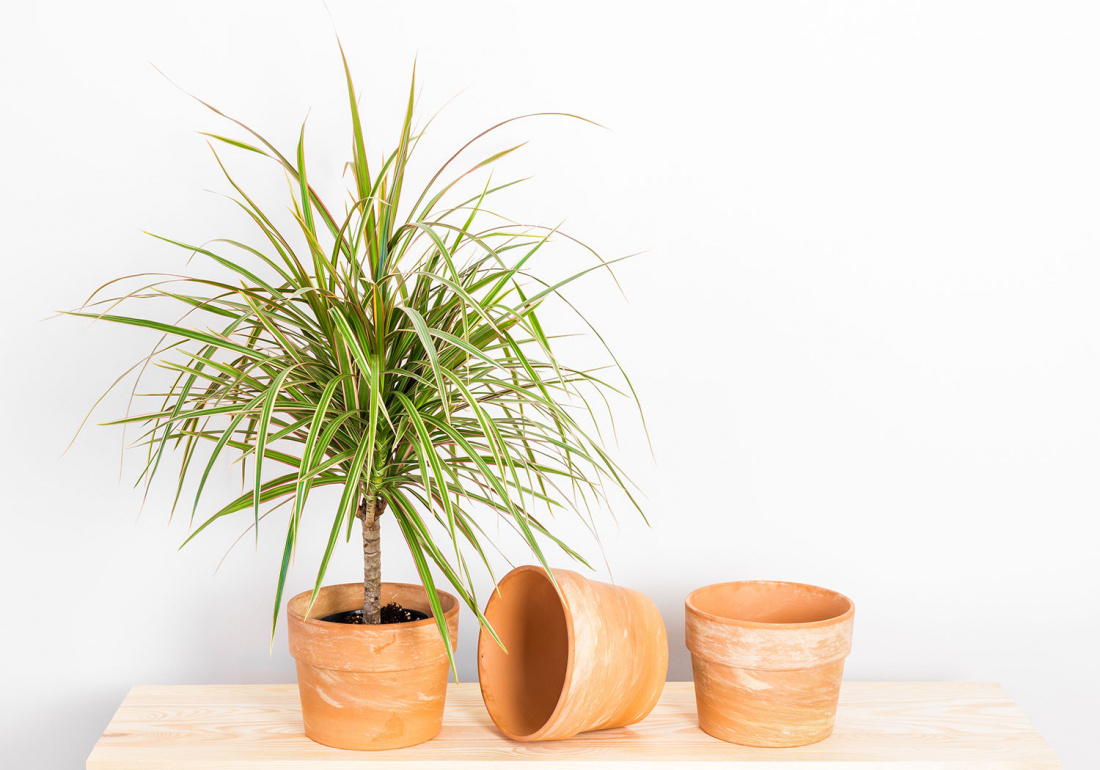
The Dragon Tree from Madagascar. Those spiky, red-edged leaves on top of thin woody stems look like something Dr. Seuss would have designed. It grows slowly, tops out around five feet indoors, and requires almost nothing from you.
The plant tells you exactly what it needs. Leaves fading? Too much light. Tiny new growth? Not enough. It is one of the few houseplants that communicates clearly before things get critical. Medium indirect light is where it is happiest.
Here is the only rule that matters: do not overwater this plant. Root rot kills more Dracaenas than anything else. Let the soil dry out almost completely between waterings. When in doubt, wait another three days. This plant would rather be thirsty than soggy.
Burgundy Rubber Tree
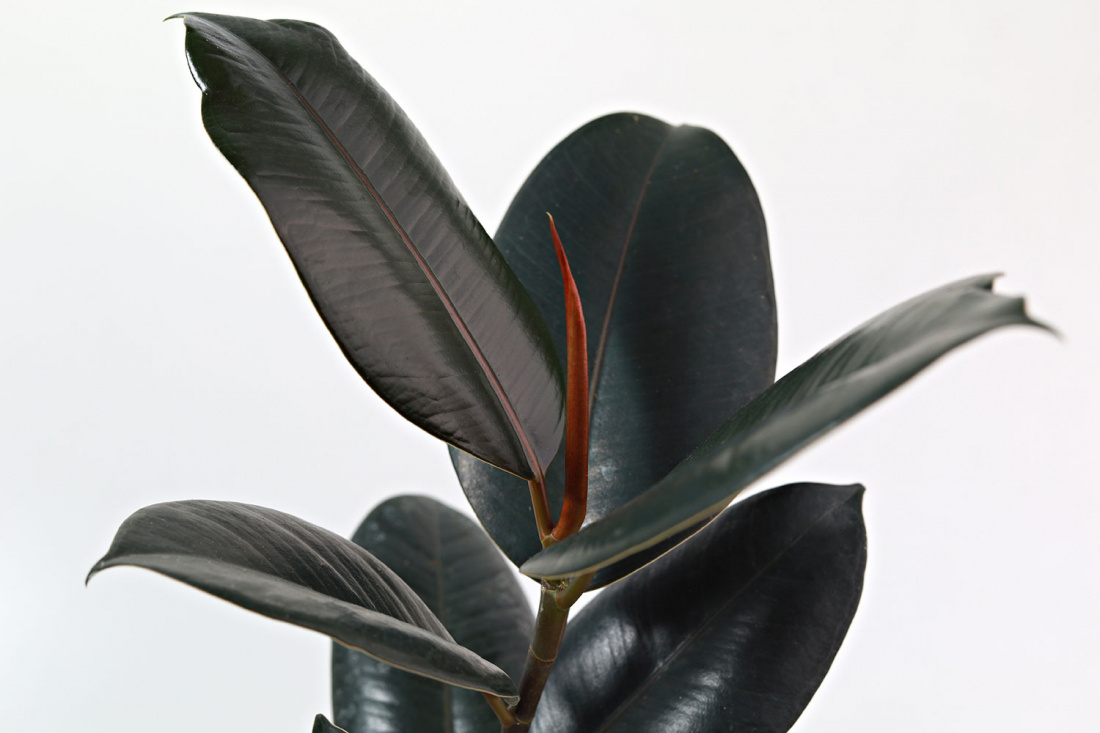
If you want a plant that looks expensive without any effort, the Burgundy Rubber Tree is it. Those thick, waxy leaves range from deep burgundy to near-black depending on the light. New leaves emerge in a bright red sheath that slowly unfurls. Every new leaf is a small event.
Bright indirect light brings out the deepest color. In dim conditions the leaves revert toward green, which still looks fine but defeats the purpose of choosing the burgundy variety. Keep it away from direct afternoon sun or you will see brown scorch marks on those beautiful leaves.
Watering is straightforward. Stick your finger a couple inches into the soil. Dry? Water it. Still damp? Walk away. This plant stores water in its thick leaves and can handle some drought. Cold drafts are the real enemy. Keep it above 55 degrees and away from exterior doors in winter.
Chinese Fan Palm
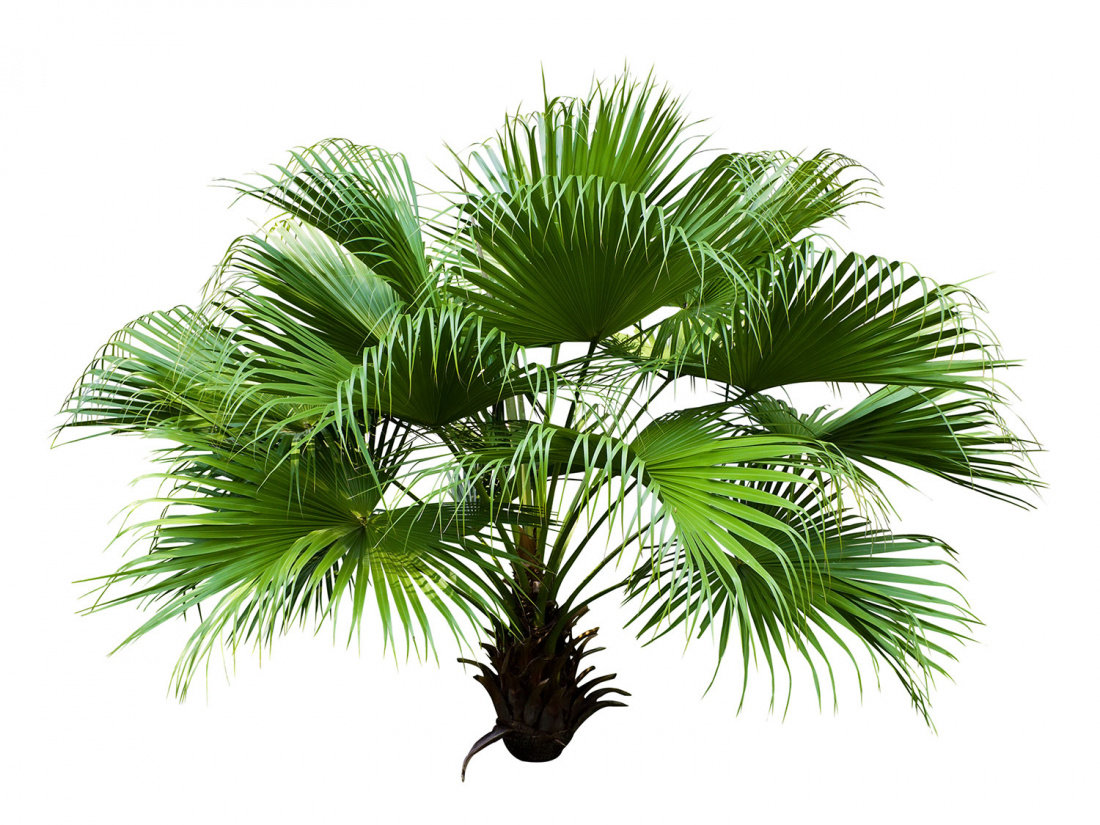
Most indoor palms look fragile. The Chinese Fan Palm (Livistona chinensis) looks like it could survive a typhoon, because in its native habitat across China and southern Japan, it does. The fan-shaped fronds are broad and sturdy, and they give a room instant tropical weight without the fussiness of an Areca or Parlor Palm.
Give it bright indirect light and it will reward you with steady, reliable growth. It tolerates medium light fine but do not push it into a dark corner. Palms in low light get leggy and thin. The goal is dense, full fronds, and that requires photons.
Watering follows the same principle as most tropicals on this list: let the top half of the soil dry, then soak it thoroughly. Good drainage matters more than a strict schedule. Make sure the pot has drainage holes and never let it sit in a saucer of standing water.
Spider Plant
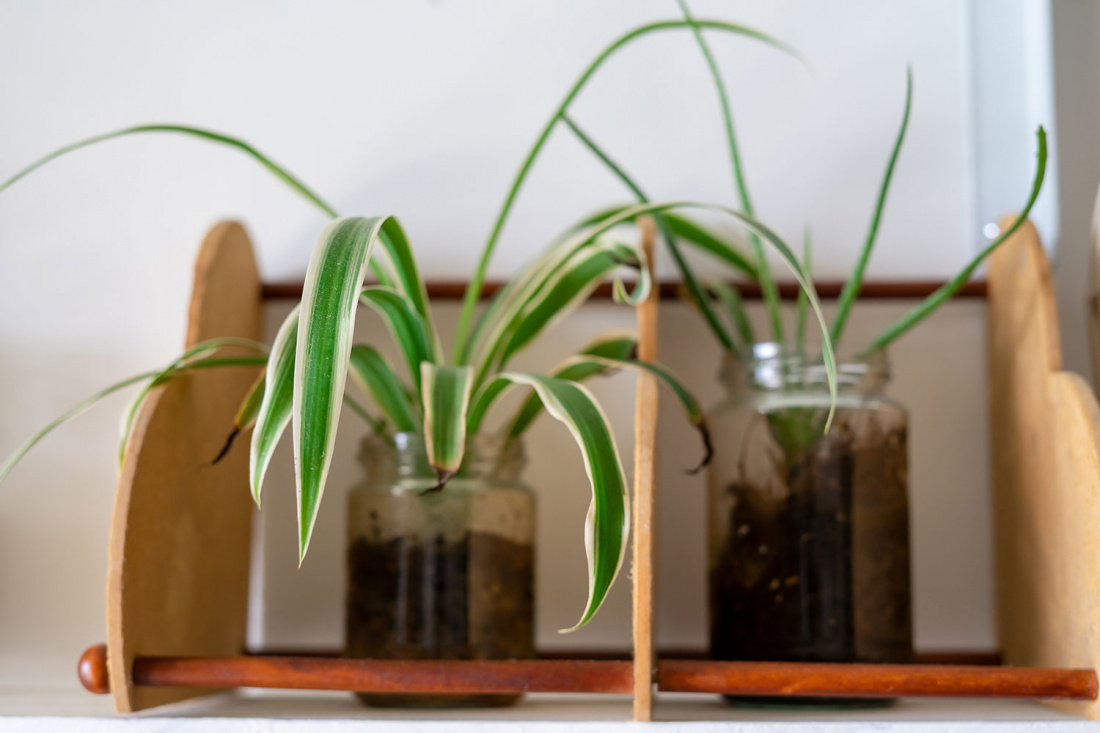
The Spider Plant is the cockroach of the houseplant world, and I mean that as the highest compliment. This thing is nearly impossible to kill. I have seen them thrive in offices with no natural light, in dorm rooms watered with leftover coffee, in bathrooms with no ventilation. Native to tropical Southern Africa, it has had millions of years to evolve resilience.
It prefers bright indirect light, but "prefer" is doing a lot of work in that sentence. It will grow in almost anything short of a closet. The variegated varieties need a bit more light to keep their stripes.
One quirk: Spider Plants are sensitive to fluoride and chlorine in tap water. If you see brown tips, that is usually the culprit. Let your tap water sit out overnight before watering, or use filtered water. The plant itself will also produce "babies" on long runners that you can snip and propagate. One Spider Plant becomes ten within a year if you let it.
Start Growing
Every plant on this list can handle the conditions inside a normal home. No special equipment needed. Pick one that catches your eye, put it near a window, and pay attention. The plant will teach you the rest.
Browse our Plantabase to find the right indoor tropical plants for your specific space and light conditions.
Frequently Asked Questions
How often should I water indoor tropical plants?
There is no universal schedule. The honest answer is: check the soil. Stick your finger two inches in. If it is dry, water thoroughly until it runs out the drainage holes. If it is still damp, leave it alone. Most tropical houseplants die from overwatering, not under-watering. In winter, cut your frequency roughly in half because growth slows and the plant uses less water.
Can tropical plants survive in rooms with low light?
Some can. Spider Plants, Monsteras, and Dracaenas will tolerate low light and keep growing, just more slowly. Bird of Paradise and Burgundy Rubber Trees need brighter conditions to look their best. No tropical houseplant wants zero natural light. If your room has no windows at all, you are looking at grow lights or artificial plants.
Why are the tips of my plant's leaves turning brown?
Three common causes. First, tap water chemicals like fluoride and chlorine, especially with Spider Plants. Let water sit overnight or use filtered. Second, low humidity. Tropical plants evolved in humid environments, and winter heating dries the air. A pebble tray or humidifier near the plant helps. Third, inconsistent watering. Letting the soil go bone dry and then flooding it stresses the roots.
Do indoor tropical plants need fertilizer?
During the growing season (spring through early fall), a balanced liquid fertilizer once a month is plenty. Do not fertilize in winter. The plant is resting and cannot use the extra nutrients, which just build up as salts in the soil and burn the roots. I dilute to half the recommended strength on the bottle. Less is more with indoor plant feeding.
What is the easiest tropical plant for a complete beginner?
Spider Plant, hands down. It tolerates bad light, inconsistent watering, and temperature swings. It tells you what it needs (brown tips mean water quality, pale leaves mean more light) and it propagates itself so you get free plants. If you can keep a Spider Plant alive for six months, you are ready for anything else on this list.