I grow elephant ears every year. They are one of the few plants that can make a suburban backyard look like a jungle overnight. A single tuber, planted right, will push out leaves the size of a small child within weeks.
But they are demanding. Elephant ears want heat, water, rich soil, and room to spread. Get any of those wrong and you end up with a stunted, yellowing disappointment instead of the tropical monster you imagined.
I have killed my share of them figuring this out. What follows is what actually works.

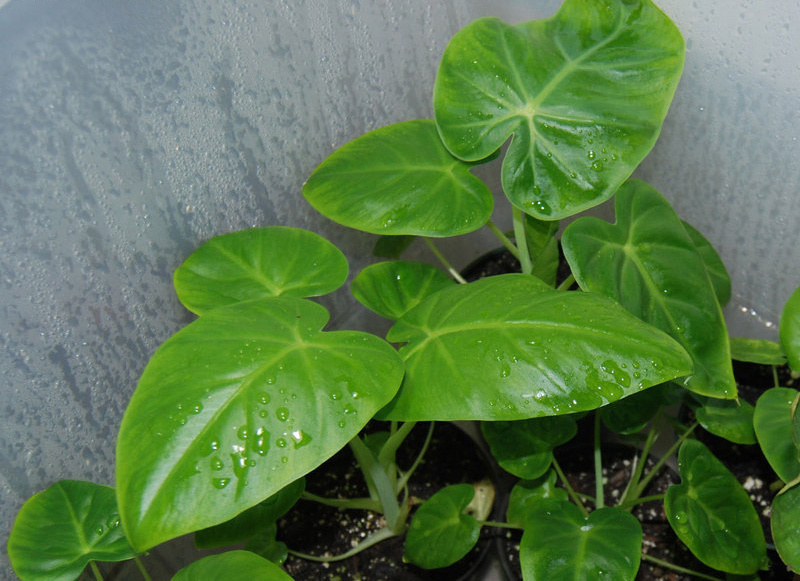
Location
Most elephant ears want full sun to partial shade. The exact preference depends on species. Colocasia types generally handle full sun well. Alocasia varieties often prefer filtered light. If your yard is mostly shade, expect smaller leaves and slower growth.
Wind is the enemy. Those huge leaves act like sails. A strong gust will shred them. I plant mine against a fence or near the house where they get some wind protection.
Space tubers three to five feet apart. These plants grow tall and wide, and crowding them leads to leggy, weak stems competing for light.
You can also grow elephant ears as potted plants. Use a large container, at least 10 gallons. Anything smaller restricts the root system and you will get a fraction of the growth you would see in the ground.
For potted plants, place them in bright indirect light. Use quality potting soil and fertilize every two to three weeks during the growing season.
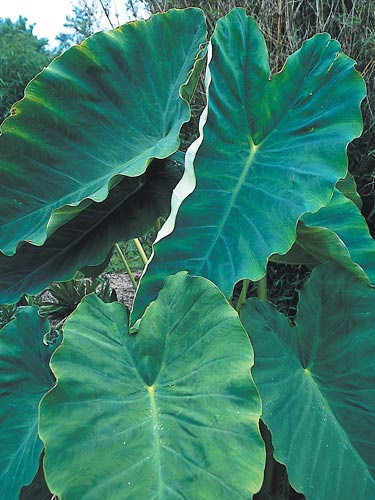
Temperature
Elephant ears are tropical plants. They grow best in warm, moist soil and will not survive a frost. One hard freeze will kill exposed tubers outright.
If you are outside zones 8-11, wait to plant until all frost risk has passed and the soil temperature is consistently above 65°F. I check with a cheap soil thermometer. Planting into cold ground just stalls growth for weeks.
I start tubers indoors six to eight weeks before the last expected frost. A heating mat underneath the pot makes a real difference. Keep them in indirect light until they sprout and push out a leaf or two.
Before transplanting outdoors, harden them off. Set the pots outside for a few hours each day over the course of a week, gradually increasing exposure. Skipping this step shocks the plant and you lose time waiting for it to recover.
When fall arrives and the first freeze threatens, cut the foliage back to a few inches and dig the tubers up carefully. Let them dry for a couple of days, then store them in dry peat moss or wood shavings in a dark, cool spot. They will keep until spring.
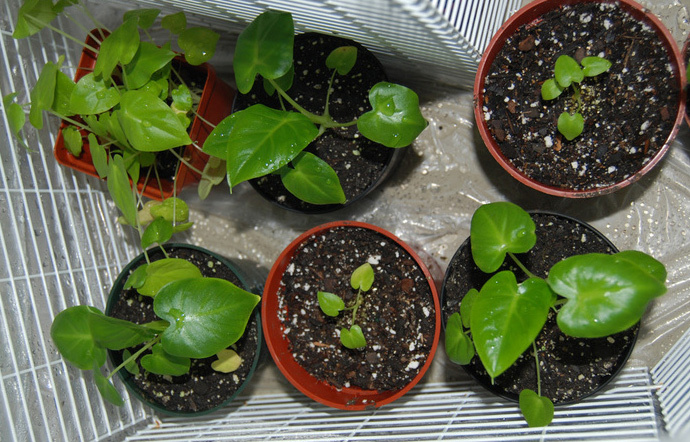
Care
Elephant ears are heavy drinkers. Think of them like a car that only runs on premium. The soil should stay consistently moist. Some species need two to three inches of water per day during peak summer heat. If you let them dry out, the leaf edges will brown and crisp within a day.
They are also heavy feeders. I use an organic slow-release fertilizer at planting time, then supplement with bloodmeal or bonemeal through the growing season. Compost works too, especially if you are building long-term soil health.
Mulch heavily. Shredded hardwood or leaf compost both work well. The mulch holds moisture in and keeps soil temperatures stable. Two to three inches around the base of the plant is about right.
Old leaves will yellow and drop. That is normal. Elephant ears constantly push new growth from the center while shedding older outer leaves. Do not panic when it happens.
Watch for pests. Spider mites and aphids will feed on the leaf undersides. Larger pests like caterpillars chew through the leaves themselves. Inspect regularly, especially during hot dry spells when pest pressure increases.
Root rot is the most common disease problem. It usually comes from poorly draining soil rather than overwatering. If you notice stunted growth or discolored stems near the base, dig up the tuber and check for soft, dark spots.
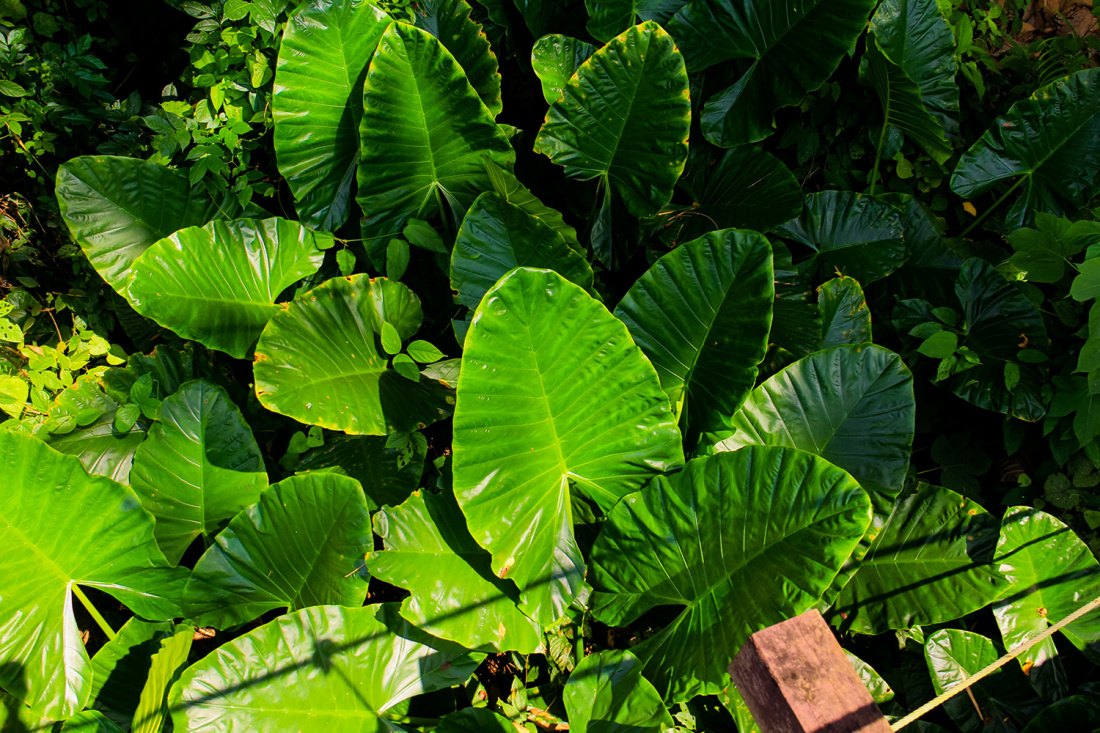
The Bottom Line
Elephant ears are not low-maintenance plants. They demand water, food, warmth, and space. But when you give them what they need, they repay you with leaves that make your neighbors stop and stare.
I grow them every season because nothing else creates that instant tropical density in a temperate yard. The work is real, but the payoff is hard to match.
Frequently Asked Questions
How deep should I plant elephant ear bulbs?
Plant the tuber about four to six inches deep with the pointed end facing up. If you cannot tell which end is up, plant it on its side. The shoot will find its way to the surface on its own.
Can elephant ears grow in full shade?
They can survive in shade, but they will not thrive. Expect smaller leaves, slower growth, and leggier stems. Partial shade is fine for most species. Full shade produces disappointing results in my experience.
How often should I water elephant ears?
Daily during hot weather. The soil should stay consistently moist but not waterlogged. In peak summer, some larger species need two to three inches of water per day. If the leaf edges start browning, you are probably under-watering.
Why are my elephant ear leaves turning yellow?
Older leaves naturally yellow and die as new ones emerge from the center. That is normal. If new leaves are yellowing, check for overwatering, poor drainage, or nutrient deficiency. A dose of balanced fertilizer usually corrects the problem if drainage is not the issue.
Can I leave elephant ears in the ground over winter?
Only if you live in zones 8-11 where the ground does not freeze. In colder zones, dig up the tubers after the first frost, dry them for a few days, and store them in peat moss in a cool dark spot until spring.