Hydrangeas’ large striking blooms and lush greenery have made them a popular garden shrub for many decades. While some gardeners find them temperamental, hydrangeas are hardy and easy to grow if you get the environment they need right. Here’s some guidance on how to successfully grow blooming hydrangeas and the conditions to keep your flowers healthy and happy.

Types of Hydrangea
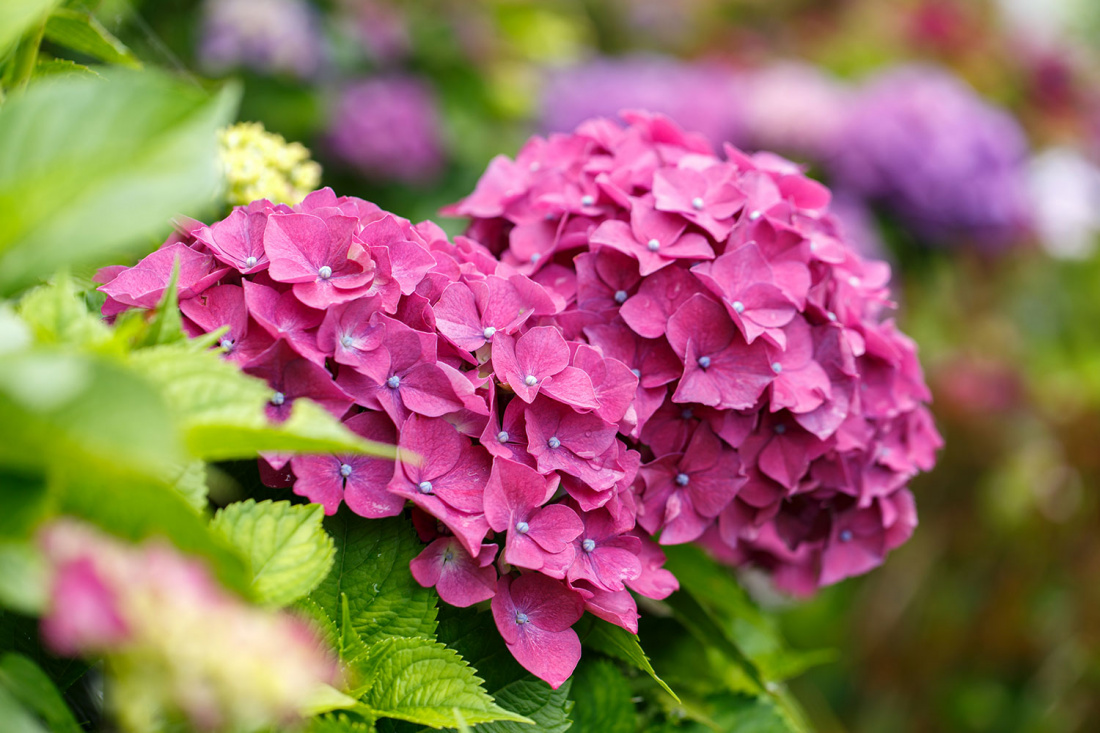
Though there are more than 75 species of hydrangea, they fall into three major categories — shrubs, small trees, or climbers, and can be deciduous or evergreen. Six types of hydrangea are commonly grown in American gardens. These are Climbing, Smooth, Bigleaf, Panicle, Oakleaf, and Mountain. Each hydrangea type has a distinct flower shape — conical, pom-pom, or delicate lacecap.
The commercial varieties that most gardeners are familiar with are deciduous and largely considered shrubs. For instance, Bigleaf varieties with large pom-pom heads are very popular plants in American gardens and familiar to most people, if only by sight and not name.
Spectacular Blooming Hydrangeas
When do hydrangeas flower
Hydrangeas can flower from spring through to late fall and even early winter. New varieties may rebloom over several months. One of the most successful new varieties, known as Endless Summer (Hydrangea macrophylla), has been bred to bloom from early spring through late summer.
Hydrangea Colors
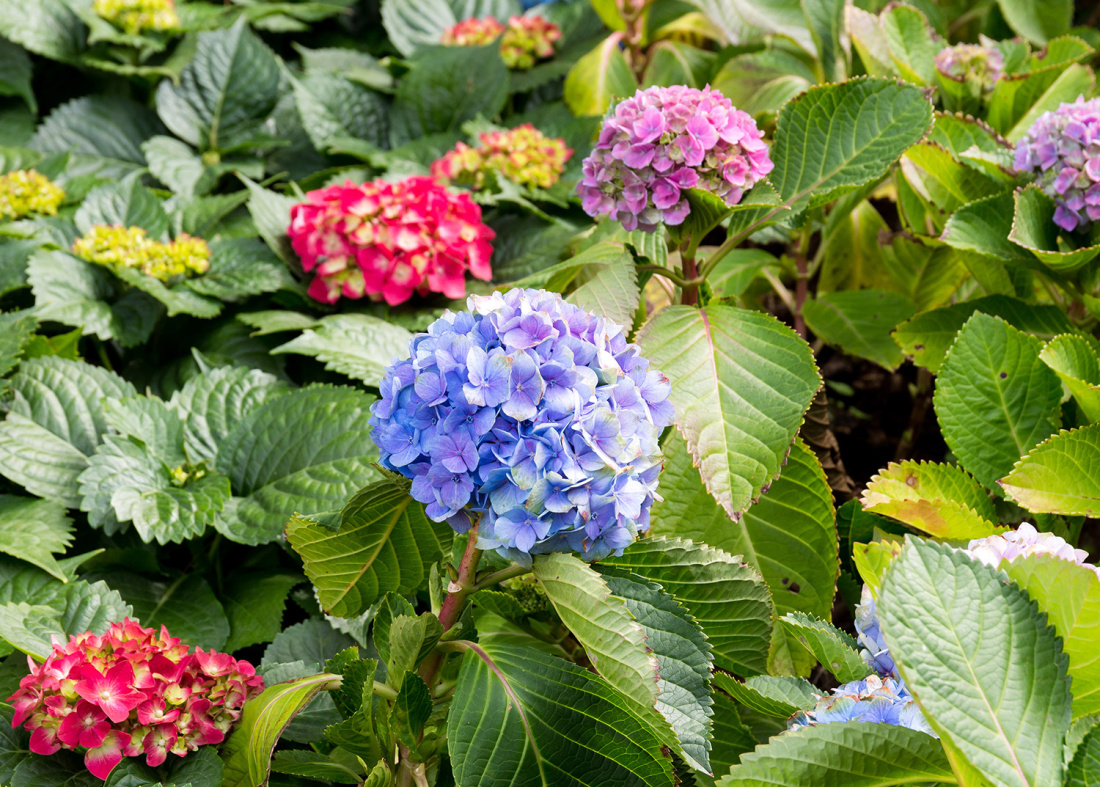
There would be few gardeners unfamiliar with the classic colors of pink, blue or white that have dominated hydrangea shrubs in the past. However, these have been added to in recent years. New varieties sporting tonal hues, bi-color ranges, multi-colored blooms, and recurrent flowering have reawakened interest in the versatile and beautiful hydrangea.
Not only do hydrangeas bloom in many different colors, but they also change color over time. For example, ‘Bobo’ (Hydrangea paniculata) starts with white flowers in summer, which turn pink as they age.
New Varieties
The American Hydrangea Society is an excellent source to keep abreast of new hydrangea varieties and their characteristics.
Keep Your Flowers Healthy and Happy With the Right Location
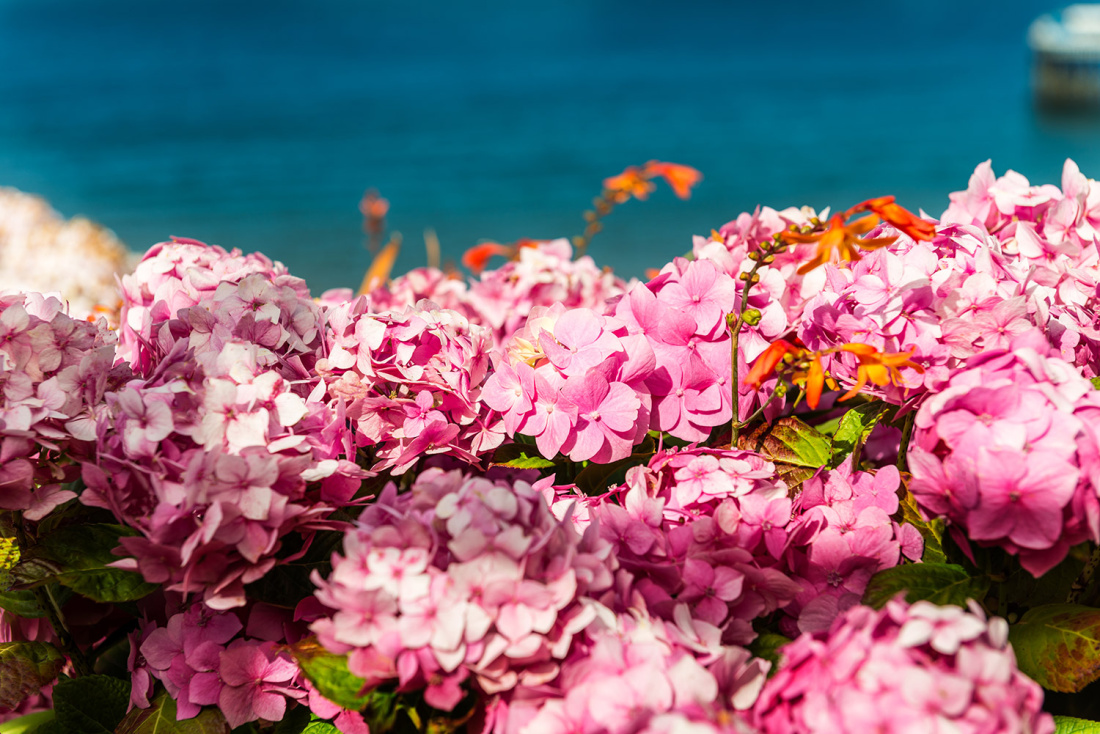
In general, hydrangeas thrive with exposure to morning sun and afternoon shade. Heavy shade is a no-no, and you are unlikely to get many (if any) blooms in such a garden spot.
Hydrangeas prefer nutrient-rich, well-drained soil, and they can grow in either acid or alkali soils. If you’re planting Bigleaf hydrangeas, the color of the blooms is determined by whether they’re in acidic or alkaline soil.
Growing Zones
The hydrangeas most commonly grown in America grow well in USDA zones 6 and 7. These zones have warm summers, cool winters, and good rainfall.
There are, however, specific hydrangea species and types that can grow in much colder and hotter zones. So no matter where you live, there’s likely to be several different types of hydrangeas you can grow.
The Basics of Successful Hydrangea Care
To get large healthy blooms, you will need to keep an eye on regular fertilizing and watering.
Watering
It’s obvious when hydrangeas need watering as their leaves will droop as the soil dries out. However, deep watering two or three times a week in the evening is preferable to watering every day. Of course, this isn’t a fixed rule, as you should water based on your current weather patterns. Hydrangeas love moist, not heavily soaked soil. Mulching will help retain moisture and improve the organic content of your soil.
Fertilizing
If your soil has a high organic content and holds moisture well, you may not need to fertilize. On the other hand, if the blooms are not strong and appear under-sized, the plant may benefit from feeding. Using an all-purpose balanced fertilizer mix with slow-release functionality should be fine. However, be careful not to over-fertilize as this may encourage leaf growth at the expense of flowers.
Diseases and pests:
Fortunately, hydrangeas tend not to suffer from disease or insect attacks. However, some species can be affected by bacterial wilt, bud blight, leaf spot, powdery mildew, or rust. Generally, prune off infected leaves and dispose of them in a bin. Try to avoid overhead watering as this helps fungal disease continue. In some cases, horticultural oil may assist. A visit to your local garden center will help you decide the best products to use.
Aside from fungal diseases, aphids and mites can be a nuisance. They can be treated with an all-purpose plant insecticide.
Deadheading Flowers
Deadheading does more than keep your plants looking tidy. If dead flowers are left on the plant, then the hydrangea is prompted to produce seeds. The plant’s energy is spent on seed production at the expense of flower production. So, if you want more blooms for a longer time, deadheading should be a regular activity for you.
Pruning
Judicious pruning improves the overall shape of your hydrangea, keeps growth manageable, and opens the center of the hydrangea bush. Your pride and joy will become straggly, congested in the center, and lose their desired shape without pruning. Pruning stimulates new growth in the plant, bringing about conditions that keep your flowers healthy and happy.
Pruning is done when the flowering season has finished in late fall or early winter. Different species have different pruning requirements, however. For example, a shrub hydrangea will have different needs to a climbing one. Therefore, it’s wise to find the plant’s growing notes before getting the secateurs out.
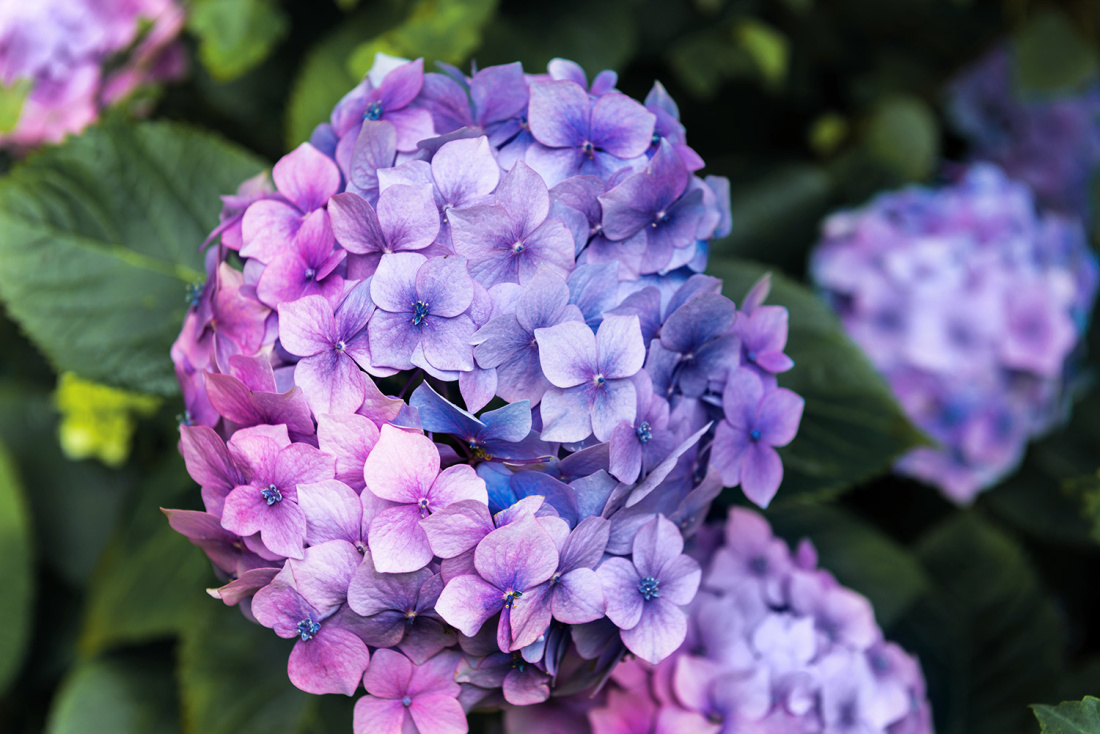
The Magic of Changing Color in Hydrangea Flowers
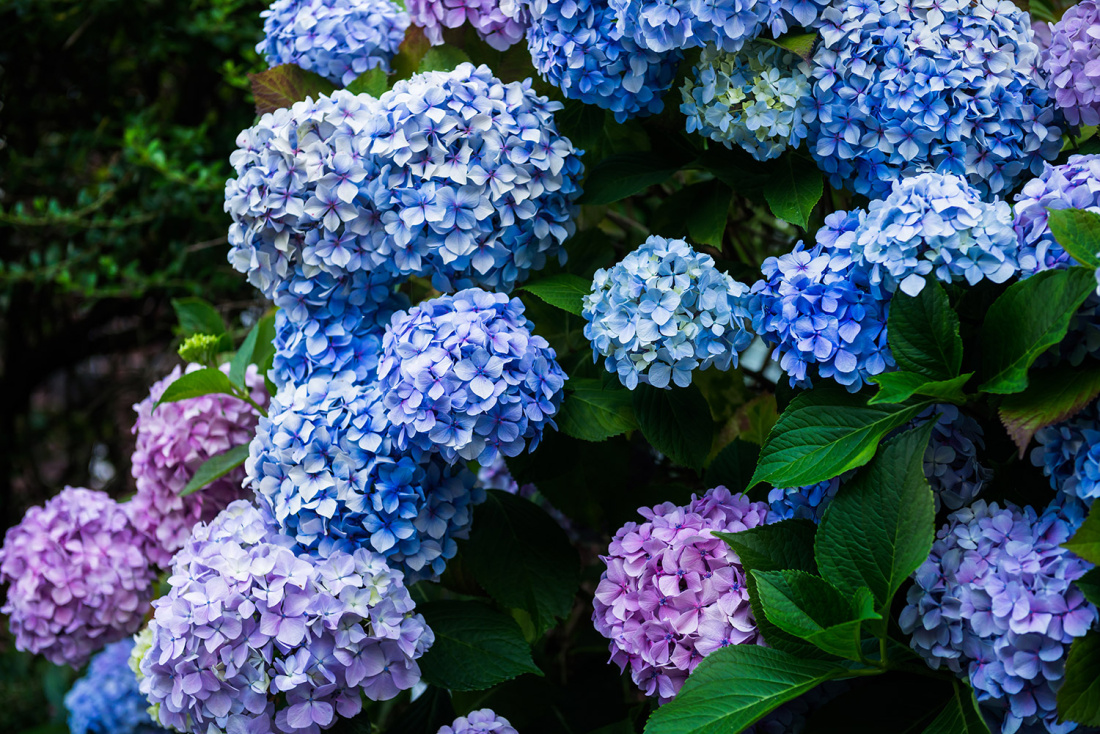
The bloom color of Bigleaf hydrangeas (Hydrangea macrophylla) is decided by whether they’re in acidic or alkaline soil. Soil pH levels affect the intensity of the hue color as well. For example, acidic soil causes hydrangeas to produce blue flowers, while alkaline soil encourages pink blooms.
Many gardeners enjoy changing the color of the hydrangea blooms from pink to blue and vice versa. This is an easy trick done using pinking or bluing agents. Available from online garden shops or most garden nurseries, these products change the pH level in the soil, affecting the acid or alkali levels.
White blooms are not affected by changes in the pH of the soil.
The Payoff
Hydrangeas reward attention with massive blooms that last for months. Get the basics right and they’re one of the most reliable flowering shrubs you can plant.
Frequently Asked Questions
How do I change my hydrangea’s color from pink to blue?
Lower the soil pH with aluminum sulfate to get blue blooms. Raise it with garden lime for pink. Only works on Bigleaf hydrangeas (Hydrangea macrophylla). White varieties won’t change color regardless of soil pH. The change takes a growing season or two to show fully.
Why didn’t my hydrangea bloom this year?
Most likely cause: pruning at the wrong time. Many hydrangeas bloom on old wood, meaning the flower buds formed the previous fall. If you pruned in late fall or early spring, you removed next year’s blooms. Check whether your variety blooms on old wood, new wood, or both before cutting.
Can hydrangeas grow in full shade?
No. Heavy shade means few or no flowers. Morning sun with afternoon shade is ideal for most varieties. Some panicle types tolerate more sun. If your hydrangea is in deep shade and not blooming, the fix is either moving it or removing whatever is blocking the light.
When is the best time to plant hydrangeas?
Early fall or early spring, when temperatures are mild and the plant can focus on root establishment instead of flower production. Avoid planting in the heat of summer. Water deeply for the first few weeks regardless of when you plant.