Crafting Worm Castings Tea: A Guide for Gardeners
Remember, this 'tea' is exclusively for your plants, not for human consumption!
Worm castings tea is a marvelous tonic for plants of all stages, from delicate seedlings to mature foliage. It replenishes nutrients lost in potting soil for young sprouts and rejuvenates older plants. This tea is a boon for every plant, irrespective of age.
Here's your step-by-step guide to creating worm castings tea:
- 1. Start with a 5-gallon bucket of water (use 1 gallon for a smaller batch).
- Rainwater or unprocessed water is ideal for immediate use.
- If tapping into municipal water, let it rest for a day to allow chlorine, harmful to beneficial microbes, to evaporate.
- Avoid softened water as its high salt content can harm plants.
- Mix in 16-32oz of worm castings (3-8 oz for a gallon). Use a coffee strainer to contain the castings if you prefer. Alternatively, simply add the castings directly to the water for dissolving, especially if you'll filter the tea later.
- For an optional boost, add two tablespoons of unsulphured molasses. This feeds the tea's micro-organisms and enhances its stickiness, helping it cling to leaves even after rainfall or watering.
- Oxygenate the tea for 24-48 hours. This can be done by stirring multiple times daily or using an air stone and fish tank pump. Use the tea within 4-12 hours after aeration for peak microbial activity.
- Apply the tea by pouring it around the plant base for root absorption, or strain it (using a nylon hose to prevent nozzle clogging) and spray directly on the plant’s leaves and stems.
Regular bi-weekly use of worm castings tea encourages stronger, healthier plant growth. Watch your garden flourish with this nourishing liquid!

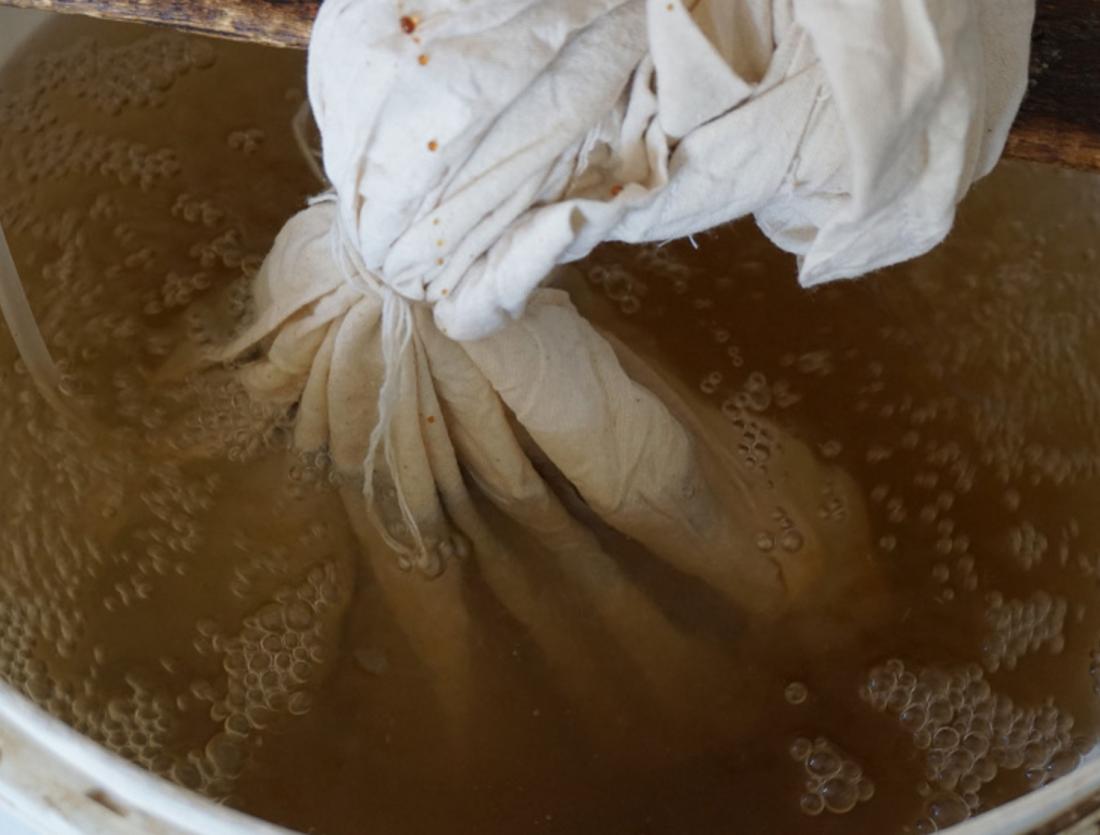
Worm Tea in strainer
Frequently Asked Questions
How long does worm casting tea stay effective after brewing?
Use it within 24 hours. The beneficial microbes in the tea are alive and active right after brewing, but they start dying off once the aeration stops. Stale tea loses its biological value quickly.
Can I over-apply worm casting tea to my plants?
It's very difficult to burn plants with casting tea since it's so mild. But applying more than the plant can use is wasteful. A thorough soil drench every 2-4 weeks during the growing season is plenty for most plants.
Does the quality of castings affect the tea?
Absolutely. Premium castings from properly fed worms produce tea with more diverse and abundant microbial populations. Kitchen-scrap castings make decent tea, but the difference in plant response is noticeable when you use high-quality castings.
Can I use worm casting tea as a foliar spray?
Yes. Strain it well through cheesecloth or a fine mesh to prevent clogging your sprayer. Foliar application delivers nutrients directly through leaf surfaces and can help suppress some fungal diseases. Spray early morning or evening to avoid leaf scorch.